

Mobile&Smartphones
How Android Is Evolving for Modern Users
The global mobile phone market is experiencing an increasingly rapid pace of updates, with Android system versions constantly iterating and manufacturers continuously releasing customized optimizations for their devices. Android system updates are becoming increasingly frequent. System updates not only bring performance improvements and new features but also involve API changes and security mechanism adjustments, posing new adaptation challenges for application developers. Properly addressing these changes and ensuring stable application operation across different Android versions is crucial for guaranteeing user experience and product competitiveness. This environment brings both new features and security improvements, but also challenges for application development and operation: how to ensure a stable and smooth experience across different devices and system versions?
Android vs iOS: Which Platform Is Better in 2026?
In the modern smartphone market, Android and iOS are undoubtedly the two most influential operating systems. They not only dominate the mobile device ecosystem but also profoundly impact users' daily lives and businesses' business models. The smartphone world often feels like a battle between two giants: Apple's iPhone, running its proprietary iOS system; and the vast Android device universe, powering countless manufacturers' phones. For years, users have fiercely debated which ecosystem is dominant.
The Rise of Foldable Smartphones: Are They Worth It?
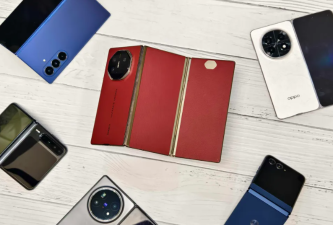
Foldable phones are gradually transitioning from novelty items to mass-market consumer products, but significant differences remain in the actual user experience. By 2026, foldable phones had transformed from a concept product into a mainstream smartphone, with brands like Huawei and Samsung launching new generations of models, and technological maturity and user experience improving rapidly. However, behind this cool design lie questionable issues such as high prices, durability, and software compatibility. So, are foldable phones worth the investment?
What Are Smart Devices and Why Do They Matter?
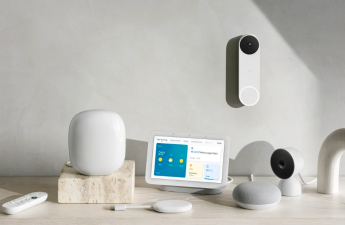
Intelligent devices are devices, instruments, or machines with computing capabilities. They typically include sensors and control algorithms, enabling context awareness, cognitive judgment, and execution functions, and supporting multi-channel interaction and task transfer. Their hardware forms encompass drones, smart wearable devices (such as skin patch monitoring devices), and dexterous robotic arms, with applications in medical assistance, home services, precision manufacturing, and smart city management. Computer vision technology enables autonomous obstacle avoidance and flight control; some devices integrate tactile sensing fusion technology to enhance precision operation capabilities; and new devices such as medical robots and brain-computer interfaces integrate next-generation information technologies to achieve applications such as telemedicine and medication review.
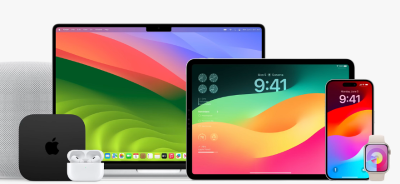
How the Mobile Ecosystem Is Expanding Beyond Phones
The mobile ecosystem is breaking through the boundaries of mobile phones and achieving continuous expansion. Its core lies in the four-dimensional integration of "distributed collaboration + AI intelligent agents + open protocols + scenario-based services," shifting from a "phone-centric" to a "human-centric, seamless service network." The mobile phone market is undergoing a critical transformation from "scale expansion" to "ecosystem reconstruction." With the deepening of 5G network coverage and continuous breakthroughs in terminal technology, the penetration rate of 5G mobile phones is accelerating, and consumer demand is upgrading from "communication tools" to "smart terminals." At the same time, policy-driven forces, technological iterations, and industry chain synergies are significantly strengthening, propelling the market towards high-end, diversified, and intelligent directions.
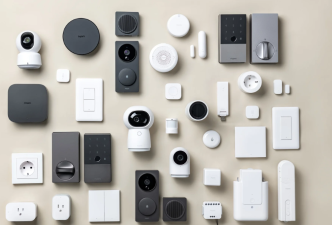
Consumer Devices That Are Changing the Way We Live
Consumer technology is rapidly transforming modern life. Devices such as smartphones, smart home products, wearables, and AI tools are becoming indispensable parts of daily life. These technologies are not only enhancing convenience, communication, entertainment, and productivity, but also reshaping how people interact with the world.
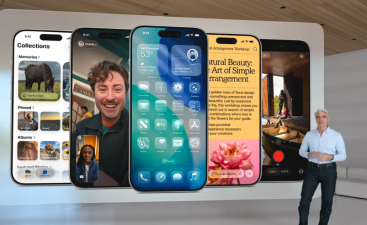
What’s New in iOS This Year?
Every year before WWDC, Apple fans eagerly await the major announcements of the next-generation iOS system. This time, the 12 core upgrades of iOS 27 have been fully revealed, featuring comprehensive AI integration, maxed-out performance, and a completely refreshed design—arguably Apple's most substantial system update in the past three years! After seeing this upgrade list, you'll understand why Apple fans across the internet are shouting, "This is a must!" WWDC 2026 is scheduled for June 9th-13th, with the first day featuring the release of new systems like iOS 27 and macOS 27, as well as new hardware. This year's theme is "Let's Get a Sneak Peek," and the interface continues to use the liquid glass design for a more transparent visual experience.
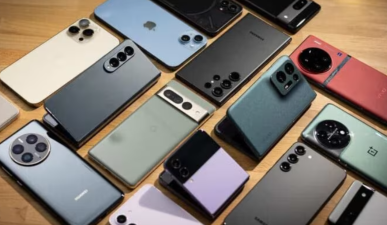
Affordable Phones That Deliver Premium Performance
The 2026 mobile phone market is flooded with models, and most users face the same dilemma: those with limited budgets want high-performance phones but worry about poor battery life and lag after prolonged use; those buying phones for elders worry about telecom fraud, unstable signals, and fragile phones; outdoor workers lack long battery life and strong protection; and students want smooth, durable, and affordable models.
How Smartphones Are Becoming More Powerful Than Ever
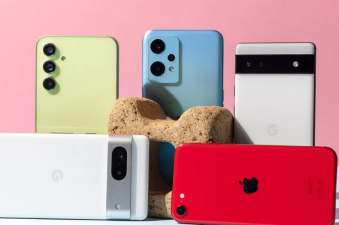
In today's era of rapid technological advancement, mobile phones are no longer just simple communication tools; their functionality is astonishing. Initially, mobile phones could only make basic voice calls and send text messages. Now, the widespread adoption of 4G and 5G networks has made video calls commonplace, with high-definition, smooth visuals making the other person seem right in front of you. The development of social media has further enriched communication, with features like voice messages, emojis, and group chats meeting communication needs in various scenarios. Whether it's real-time interaction with family and friends thousands of miles away or efficient work communication with colleagues, mobile phones play a crucial role.
What Features Matter Most in a New Smartphone?
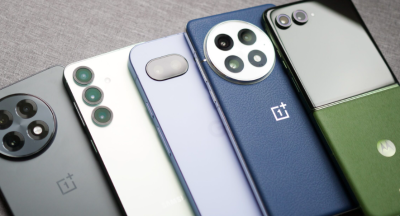
The market is currently flooded with a wide variety of smartphones, each with varying specifications. However, the most fundamental and crucial function of a smartphone today is no longer just "making calls" or "fast performance," but rather the overall user experience encompassing daily life. So, what are consumers truly focusing on when choosing a smartphone?