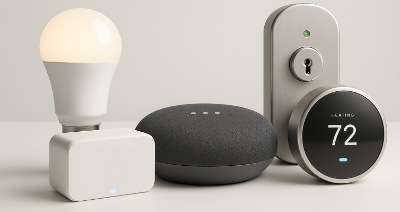
Intelligent devices are devices, instruments, or machines with computing capabilities. They typically include sensors and control algorithms, enabling context awareness, cognitive judgment, and execution functions, and supporting multi-channel interaction and task transfer. Their hardware forms encompass drones, smart wearable devices (such as skin patch monitoring devices), and dexterous robotic arms, with applications in medical assistance, home services, precision manufacturing, and smart city management. Computer vision technology enables autonomous obstacle avoidance and flight control; some devices integrate tactile sensing fusion technology to enhance precision operation capabilities; and new devices such as medical robots and brain-computer interfaces integrate next-generation information technologies to achieve applications such as telemedicine and medication review.
Definition of Intelligent Devices
An intelligent device is an electronic device that typically connects to other devices or networks via various wireless protocols such as Bluetooth, NFC, Wi-Fi, 5G, LoRa, NB-IoT, and ZigBee, and can interact and operate autonomously to some extent. The term can also refer to devices with certain characteristics of ubiquitous computing, including but not limited to artificial intelligence. Unlike basic "dumb" devices, intelligent devices can receive voice and touch input, process information based on context, and communicate with other connected devices and systems. From smartphones to smart appliances, more and more devices seem to be upgrading their "smart" features lately. These new technologies are undoubtedly changing the way we interact with electronics and the world. While all these new "smart" technologies make life more convenient, we must face the reality—they also raise new concerns about privacy, security, and over-reliance on technology. As our TVs, cars, and homes become smarter, understanding the capabilities and limitations of these devices is crucial.
What Makes a Device "Smart"?
What makes a device "smart" today? Beyond basic connectivity, it includes artificial intelligence to learn user patterns, sensors to perceive environmental context, expanded memory and processors to handle multitasking, and wireless protocols for autonomous operation. These key features truly set smart technology apart.
Built-in Connectivity: Smart devices can connect to wireless internet networks such as Wi-Fi and Bluetooth, as well as cellular networks. Through these connections, they can send and receive data and communicate with other smart devices, apps, and cloud platforms.
Artificial Intelligence: Smart devices utilize artificial intelligence technologies such as machine learning algorithms to collect behavioral data, learn usage patterns, and customize responses and functions for individual users. The more a smart device is used, the smarter it becomes.
Sensors: Sensors such as GPS, accelerometers, barometers, and gyroscopes monitor their environment as well as user behavior and input. This collected data further informs their personalized services.
Voice Control: Smart devices offer microphone and voice control via AI assistants like Siri, Alexa, and Google Assistant. This allows for natural, conversational voice commands.
Advanced Processing Power: Compared to basic devices, smart devices have more powerful CPUs, graphics processors, and memory, providing computing power for complex functions.
App Integration: Many smart devices can be monitored and controlled through smartphone and tablet apps, extending their functionality.
Examples of Popular Smart Devices on the Market
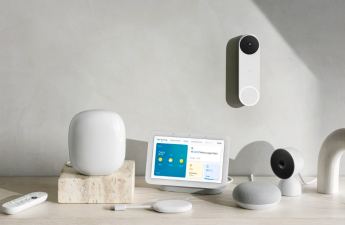
Today, smart products come in a wide variety of shapes and sizes. Businesses are making all sorts of electronic products "smart," such as phones, speakers, watches—anything imaginable. More and more "smart" technologies are being integrated into various objects, making our lives more convenient and connected. Here are some examples of popular smart devices on the market:
Smartphones:
Ubiquitous smartphones offer many "smart" features such as voice assistants, biometric sensors, GPS, health/fitness tracking, and mobile payment options. Top-tier models include high-end Android phones such as iPhones and Samsung Galaxy phones.
Smartwatches:
Smartwatches like the Apple Watch and FitbitSense track health metrics, provide smartphone notifications/messages, support contactless payments, and run fitness apps.
Smart Speakers:
Smart speakers like Amazon Echo and Google Home provide voice-activated information, news, and entertainment via AI assistants. They also control other smart home devices.
Smart Home Devices:
Smart thermostats like Nest optimize heating and cooling when the user is away. Philips Hue's smart lights can be controlled and automated via an app. Smart devices feature Wi-Fi connectivity for remote monitoring.
Smart Security:
Security cameras detect motion/sound and send alerts to your phone so you can monitor your home at any time. Smart door and window sensors can monitor for intrusions and send remote notifications.
Smart Childcare:
High-tech baby monitors can track room conditions, sleep patterns, and even use AI to translate cries, notifying parents of potential needs for their baby.
Fitness Trackers:
Fitness trackers and smart wearables can record steps, heart rate, sleep patterns, and more. The generated insights can help people understand their health and activity levels.
The Various Benefits of Using Smart Devices
It must be acknowledged that it's a wonderful thing to have devices anticipate people's needs and make life easier. From personalized interaction and remote control to enhanced security, these devices offer a range of advantages. Smart devices can provide users with many conveniences and benefits:
- Remote Control and Monitoring – Users can remotely manage and control their smart home devices using a smartphone app, anywhere with an internet connection.
- Personalization – Smart devices learn users' preferences and habits to provide a customized experience, adjusting settings according to individual patterns.
- Energy Saving – Smart meter sockets can monitor energy usage, reducing unnecessary energy waste and improving energy efficiency.
- Security Monitoring – Smart security systems send real-time alerts about unusual activity, enhancing home security even when users are away.
- Health Insights – Smart wearable devices collect health data, providing valuable insights into fitness levels and sleep patterns to make informed lifestyle decisions.
- Voice Automation – Voice-controlled smart devices enable hands-free interaction, allowing users to control devices and perform tasks using their voice.
- Entertainment Experience – Smart speakers offer interactive games, music playback, and media streaming, providing entertainment beyond basic functions.
- Senior Independence – Smart emergency buttons enable seniors to maintain independence while receiving assistance through fall detection and emergency calls.
Conclusion
Smart devices have profoundly impacted our lives and work, and will continue to play a vital role in the future. With continuous technological advancements and expanding application scenarios, smart devices will become increasingly intelligent, interconnected, and efficient, bringing a more convenient, comfortable, and safer life experience to humanity.