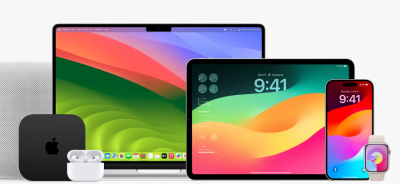
The mobile ecosystem is breaking through the boundaries of mobile phones and achieving continuous expansion. Its core lies in the four-dimensional integration of "distributed collaboration + AI intelligent agents + open protocols + scenario-based services," shifting from a "phone-centric" to a "human-centric, seamless service network." The mobile phone market is undergoing a critical transformation from "scale expansion" to "ecosystem reconstruction." With the deepening of 5G network coverage and continuous breakthroughs in terminal technology, the penetration rate of 5G mobile phones is accelerating, and consumer demand is upgrading from "communication tools" to "smart terminals." At the same time, policy-driven forces, technological iterations, and industry chain synergies are significantly strengthening, propelling the market towards high-end, diversified, and intelligent directions.
Key Technologies for Mobile Application Development
Mobile application development is the foundation for building a mobile ecosystem. With the widespread adoption of smartphones and the rapid development of the mobile internet, user demand for mobile applications is growing daily. To meet these demands, developers need to master a series of key technologies:
Programming languages: such as Java, Swift, and Kotlin, are the cornerstones of building mobile applications.
Cross-platform frameworks: such as React Native and Flutter, allow developers to build applications for multiple platforms using a single codebase, greatly improving development efficiency.
User Experience Design: Focuses on design principles for the user interface (UI) and user experience (UX) to ensure applications are intuitive and easy to use.
The Core Role of Mobile Operating Systems
The mobile operating system is the bridge connecting users and mobile applications. It not only manages device resources but also provides the environment needed to run applications. Currently, the mainstream mobile operating systems on the market include Android and iOS:
Android: Known for its openness and broad hardware compatibility, it holds a large share of the global market.
iOS: Favored by users for its excellent performance optimization and strict privacy controls.
Technological Trends and Market Demands
With continuous technological advancements, mobile applications and operating systems are facing new challenges and opportunities:
The widespread adoption of 5G technology: Brings faster data transmission speeds and lower latency to mobile applications, driving the development of technologies such as augmented reality (AR) and virtual reality (VR).
The convergence of artificial intelligence: By integrating AI algorithms, mobile applications can provide more intelligent services, such as voice assistants and image recognition.
Security issues: With the increase in mobile payments and personal information processing, the security of mobile operating systems has become particularly important.
Industry Transformation and Future Outlook
The convergence of mobile applications and systems is bringing profound changes to various industries:
Education: Mobile learning applications are making educational resources more equitable and learning methods more flexible and diverse.
Healthcare: Applications such as telemedicine and health management are improving the accessibility and efficiency of healthcare services.
Fintech: Applications such as mobile payments and digital wallets are reshaping people's consumption habits and financial behaviors.
Conclusion
In summary, technological advancements in mobile applications and systems are not only a key force driving technological innovation but also an important means of meeting market demands and promoting business development. In the future, with the continuous evolution of technology, we have reason to believe that this field will continue to maintain its vitality and creativity, bringing more surprises and convenience to human society.