

In today's era of rapid technological advancement, mobile phones are no longer just simple communication tools; their functionality is astonishing. Initially, mobile phones could only make basic voice calls and send text messages. Now, the widespread adoption of 4G and 5G networks has made video calls commonplace, with high-definition, smooth visuals making the other person seem right in front of you. The development of social media has further enriched communication, with features like voice messages, emojis, and group chats meeting communication needs in various scenarios. Whether it's real-time interaction with family and friends thousands of miles away or efficient work communication with colleagues, mobile phones play a crucial role.
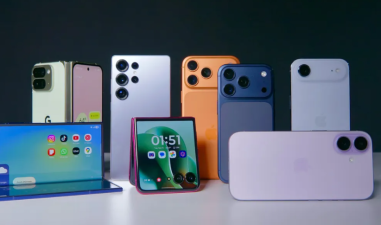
Why are they becoming increasingly powerful?
Technological Advancements:
With continuous technological development, the performance and functionality of key components such as chips, batteries, screens, and cameras have significantly improved. This allows smartphones to process data faster, have longer battery life, higher screen resolutions, and better photo quality.
Market Competition:
The smartphone market is highly competitive, with major brands constantly innovating and upgrading their products to meet the ever-growing demands of consumers. This competitive pressure drives smartphone manufacturers to continuously innovate and improve product performance and functionality.
Artificial Intelligence Technology:
The rapid development of artificial intelligence technology has brought more intelligent functions to smartphones. For example, voice assistants, intelligent photography, and intelligent recommendations make smartphones smarter and more convenient, enhancing the user experience.
5G Network Technology:
With the widespread adoption of 5G networks, smartphones will support faster data transmission speeds and lower latency, providing better support for high-bandwidth applications such as streaming media, video calls, and online games. This will further improve smartphone performance and user experience.
Health and Security Features:
As people pay increasing attention to health and safety, smartphone manufacturers are constantly launching related features. For example, wearable devices such as smart bracelets and smartwatches can monitor users' health data such as heart rate and blood pressure, while some smartphones are equipped with security features such as facial recognition and fingerprint recognition, improving user security.
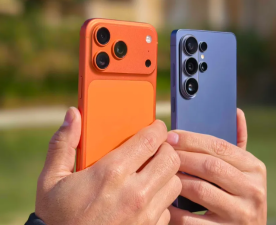
Will future phones be more powerful?
The answer is yes. From a technological development perspective, artificial intelligence technology will be more widely used in mobile phones. Future phones may have more intelligent voice assistants that can not only accurately understand our commands but also proactively provide personalized services. For example, based on our daily habits and preferences, smartphones can plan our day's itinerary in advance and remind us of important matters. In terms of photography, with the continuous advancement of optical technology and image processing algorithms, the photo quality of mobile phone cameras may surpass that of professional cameras. They may possess more powerful zoom capabilities, higher pixel counts, and better low-light shooting effects, allowing us to take high-quality photos anytime, anywhere.
Foldable screen technology also brings new possibilities to the development of mobile phones. Future foldable screen phones may be thinner, lighter, and more durable, unfolding into a large-screen tablet to meet our diverse needs in work, entertainment, and other areas. At the same time, the connection between mobile phones and other smart devices will be closer, achieving true Internet of Things. We can remotely control smart home appliances through our phones, such as adjusting air conditioning temperature, turning lights on and off, and checking surveillance footage.
Conclusion
The reasons for the increasing sophistication of smartphones are multifaceted, including technological advancements, market competition, artificial intelligence technology, 5G network technology, and health and safety features. In the future, with the continuous development of technology, smartphones will continue to upgrade and improve, bringing users a better user experience.