

Foldable phones are gradually transitioning from novelty items to mass-market consumer products, but significant differences remain in the actual user experience. By 2026, foldable phones had transformed from a concept product into a mainstream smartphone, with brands like Huawei and Samsung launching new generations of models, and technological maturity and user experience improving rapidly. However, behind this cool design lie questionable issues such as high prices, durability, and software compatibility. So, are foldable phones worth the investment?
Background and Technical Principles of Foldable Phones
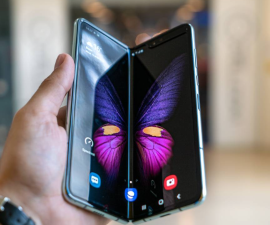
Foldable phones are smartphones that utilize flexible screen technology (such as AMOLED) to achieve a foldable screen. Their core technology lies in the flexible display and precise hinge design, allowing the phone to provide a large-screen experience similar to a tablet when unfolded, while maintaining portability when folded. Since Samsung launched the first Galaxy Fold in 2019, the foldable phone market has developed rapidly, with manufacturers such as Huawei, OPPO, and vivo joining the competition.
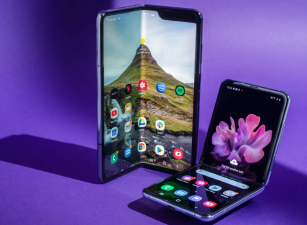
Foldable phones are mainly divided into two types:
• Flip-style (such as the Samsung Galaxy Z Flip): Folds along the width, becoming more compact when folded, similar to a traditional flip phone.
• Book-style (e.g., Huawei Mate X): Folds vertically along the side, providing a larger screen when unfolded, ideal for multitasking.
Advantages of Foldable Phones
Large Screen Experience and Multitasking
Foldable phones offer a 7-inch or larger screen when unfolded, approaching the display area of a small tablet. This large screen significantly enhances immersion and visual effects when watching videos, playing games, or processing documents. For example, the Huawei Mate X5 has a 7.85-inch screen when unfolded, suitable for reading ebooks or browsing the web. The large screen also supports split-screen functionality, allowing users to run multiple applications simultaneously, such as watching videos while taking notes, greatly improving work efficiency.
Portability and Flexibility
Foldable phones are similar in size to regular phones when folded, making them easy to carry. For example, a flip-style foldable phone can easily fit into a small pocket when folded, suitable for users who prioritize portability. Users can also choose between unfolded or folded states depending on the scenario, flexibly adapting to different needs.
Unique Appearance and Technological Feel
Foldable phones feature novel and technologically advanced designs, satisfying consumers' pursuit of individuality and style. Whether in business settings or social events, foldable phones attract attention and showcase the user's cutting-edge taste.
Optimized External Screen Functionality
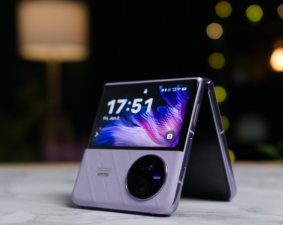
Some foldable phones (such as the Samsung Galaxy Z Flip series) offer a wealth of functions on their external screens, allowing users to view notifications, reply to messages, or watch short videos without unfolding the phone. This makes one-handed operation more convenient and reduces the hassle of frequent unfolding.
Camera Innovation
Some foldable phones utilize the main camera as both the front and rear cameras, reducing the number of cameras, optimizing internal space, while ensuring high-quality selfies and video recording.
Business and Gaming Advantages
For business professionals, the large screen facilitates presentations and reports, improving mobile work efficiency. Gamers enjoy a wider field of view and more precise controls.
Technological Advancements and Battery Capacity
The development of foldable phones has driven advancements in flexible screen, hinge, and battery technologies. Some models, due to their larger internal space, can be equipped with larger capacity batteries, providing longer battery life.
Hover Function
Some foldable phones support multi-angle hovering, enabling video calls, taking photos, or watching videos without a stand, expanding usage scenarios.
Current Status of Foldable Phone Technology
As of 2025, foldable phone technology has made significant progress:
• Screen Creases: Manufacturers have significantly reduced creases by improving screen materials (e.g., the Huawei Mate X5 uses non-Newtonian fluid materials), but they have not been completely eliminated.
• Hinge Technology: New hinges can withstand hundreds of thousands of folds, greatly improving durability.
• Weight and Thickness: The latest models, such as the vivo X Fold5, have reduced their weight to 219g, approaching that of traditional flagship phones.
• Software Ecosystem: HarmonyOS and other systems have optimized multitasking and split-screen functions, significantly improving compatibility.
However, foldable phones still have room for improvement in durability, software compatibility, and cost; the technology is not yet fully mature.
Conclusion
Foldable screen phones are undoubtedly a major trend in smartphone development, but the technology and practicality are still in a "transition period." If you crave an innovative experience and can accept the potentially high price premium and future repair costs, then the new foldable phones of 2026 are worth considering; otherwise, traditional flagship phones remain a more reliable choice. With technological advancements, foldable phones may become the true "mainstream choice" in the future.